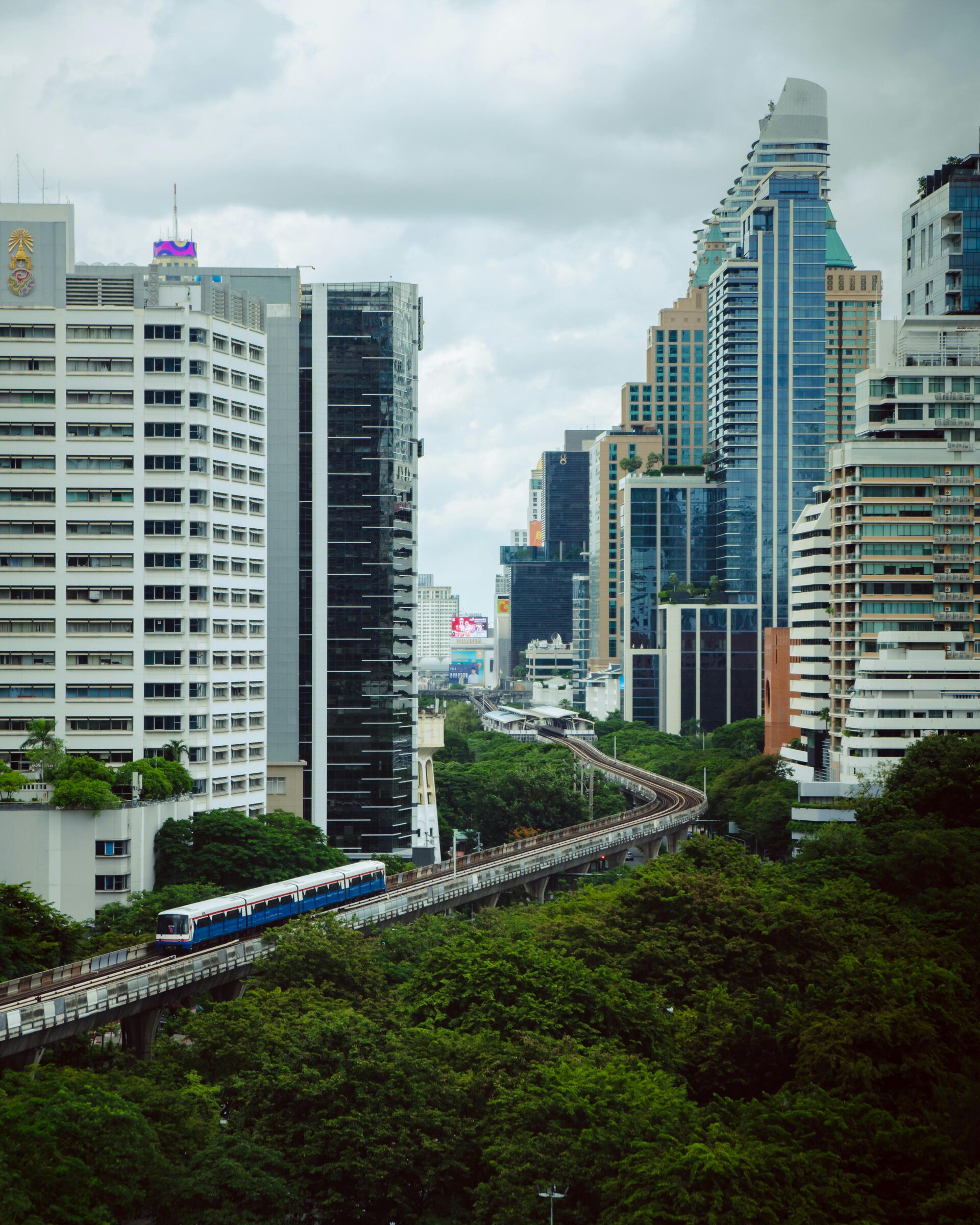
Climate Readiness Index
54 of 54 African markets ranked by climate adaptation readiness, derived only from indicators already held on each country profile
Ranking
| Rank | Country | Score | Band | Indicators |
|---|---|---|---|---|
| 1 |  Seychelles Seychelles | 83 | Advanced readiness | 5 of 5 |
| 2 |  Mauritius Mauritius | 80 | Advanced readiness | 5 of 5 |
| 3 |  Cabo Verde Cabo Verde | 75 | Advanced readiness | 5 of 5 |
| 3 |  Morocco Morocco | 75 | Advanced readiness | 5 of 5 |
| 5 |  Tunisia Tunisia | 74 | Advanced readiness | 5 of 5 |
| 6 |  Algeria Algeria | 73 | Advanced readiness | 5 of 5 |
| 7 |  Botswana Botswana | 71 | Advanced readiness | 5 of 5 |
| 7 |  Gabon Gabon | 71 | Advanced readiness | 5 of 5 |
| 9 |  Egypt Egypt | 70 | Advanced readiness | 5 of 5 |
| 9 |  South Africa South Africa | 70 | Advanced readiness | 5 of 5 |
| 11 |  Ghana Ghana | 66 | Established | 5 of 5 |
| 12 |  Libya Libya | 63 | Established | 5 of 5 |
| 13 |  Eswatini Eswatini | 59 | Established | 5 of 5 |
| 13 |  Sao Tome and Principe Sao Tome and Principe | 59 | Established | 5 of 5 |
| 15 |  Namibia Namibia | 57 | Established | 5 of 5 |
| 16 |  Senegal Senegal | 56 | Established | 5 of 5 |
| 17 |  Cote d'Ivoire Cote d'Ivoire | 55 | Established | 5 of 5 |
| 17 |  Djibouti Djibouti | 55 | Established | 5 of 5 |
| 17 |  Kenya Kenya | 55 | Established | 5 of 5 |
| 20 |  Equatorial Guinea Equatorial Guinea | 53 | Emerging | 5 of 5 |
| 21 |  Comoros Comoros | 51 | Emerging | 5 of 5 |
| 22 |  Cameroon Cameroon | 49 | Emerging | 5 of 5 |
| 23 |  Nigeria Nigeria | 47 | Emerging | 5 of 5 |
| 24 |  Angola Angola | 46 | Emerging | 5 of 5 |
| 24 |  Rwanda Rwanda | 46 | Emerging | 5 of 5 |
| 26 |  The Gambia The Gambia | 45 | Emerging | 5 of 5 |
| 26 |  Zimbabwe Zimbabwe | 45 | Emerging | 5 of 5 |
| 28 |  Togo Togo | 44 | Emerging | 5 of 5 |
| 29 |  Benin Benin | 43 | Emerging | 5 of 5 |
| 29 |  Lesotho Lesotho | 43 | Emerging | 5 of 5 |
| 29 |  Mauritania Mauritania | 43 | Emerging | 5 of 5 |
| 29 |  Sudan Sudan | 43 | Emerging | 5 of 5 |
| 33 |  Ethiopia Ethiopia | 42 | Emerging | 5 of 5 |
| 33 |  Republic of the Congo Republic of the Congo | 42 | Emerging | 5 of 5 |
| 33 |  Tanzania Tanzania | 42 | Emerging | 5 of 5 |
| 36 |  Guinea Guinea | 41 | Emerging | 5 of 5 |
| 37 |  Mali Mali | 40 | Emerging | 5 of 5 |
| 37 |  Zambia Zambia | 40 | Emerging | 5 of 5 |
| 39 |  Uganda Uganda | 38 | Early-stage | 5 of 5 |
| 40 |  Eritrea Eritrea | 37 | Early-stage | 4 of 5 |
| 41 |  Guinea-Bissau Guinea-Bissau | 32 | Early-stage | 5 of 5 |
| 41 |  Liberia Liberia | 32 | Early-stage | 5 of 5 |
| 41 |  Madagascar Madagascar | 32 | Early-stage | 5 of 5 |
| 41 |  Mozambique Mozambique | 32 | Early-stage | 5 of 5 |
| 41 |  Sierra Leone Sierra Leone | 32 | Early-stage | 5 of 5 |
| 46 |  Burkina Faso Burkina Faso | 31 | Early-stage | 5 of 5 |
| 46 |  Somalia Somalia | 31 | Early-stage | 5 of 5 |
| 48 |  Democratic Republic of the Congo Democratic Republic of the Congo | 27 | Early-stage | 5 of 5 |
| 48 |  Malawi Malawi | 27 | Early-stage | 5 of 5 |
| 50 |  Niger Niger | 26 | Early-stage | 5 of 5 |
| 51 |  Chad Chad | 23 | Early-stage | 5 of 5 |
| 52 |  Central African Republic Central African Republic | 22 | Early-stage | 5 of 5 |
| 53 |  Burundi Burundi | 17 | Early-stage | 5 of 5 |
| 54 |  South Sudan South Sudan | 16 | Early-stage | 4 of 5 |
How the index is computed
Adaptive capacity to absorb climate finance and adapt, following the readiness dimension of the ND-GAIN framework. Built only from measured values already held on each country profile. It is not a measure of emissions or physical climate vulnerability, which the platform does not yet hold.
| Indicator | Weight | Source |
|---|---|---|
| Energy access | 30% | World Bank, access to electricity (% of population) |
| Governance readiness | 20% | Transparency International, Corruption Perceptions Index (0-100) |
| Human readiness | 20% | UNDP, Human Development Index (0-1) |
| Economic readiness | 15% | World Bank, GDP per capita (current US$), latest measured year |
| Digital readiness | 15% | World Bank, individuals using the Internet (% of population) |
Each indicator maps to a 0-100 sub-score where higher is more ready. Four are already on natural 0-100 scales (energy access, governance CPI, HDI x 100, internet use); GDP per capita is log-normalised across the covered set, so its sub-score is a position within the African markets the platform holds, not an absolute reading. The index is the weighted average over the indicators a country holds, renormalised over what is present. Bands: Advanced readiness (70+), Established (55+), Emerging (40+), Early-stage (0+).